
Table of Contents
- Introduction
- Virtual Tours and 3D Walkthroughs
- AI-Powered Property Recommendations
- Blockchain for Secure Transactions
- Smart Home Technology
- Mobile Apps and Online Platforms
- Data-Driven Market Analysis
- Conclusion
The home-buying process has undergone a significant transformation in recent years, thanks to rapid technological advancements. From virtual tours to AI-driven recommendations, technology is making it easier and more efficient for buyers to find and purchase their dream homes. For instance, Peoria AZ real estate expert John Rowan leverages these technological tools to provide clients with comprehensive and personalized real estate services.
Virtual Tours and 3D Walkthroughs
Gone are the days when potential buyers had to visit multiple properties in person. With virtual reality (VR) and 3D tours, buyers can now explore homes from the comfort of their own living rooms. These immersive experiences provide a realistic sense of a property’s layout and features, saving time and effort for both buyers and sellers. This innovation is particularly beneficial in markets like Peoria, where diverse property options are available.
The capabilities of these tours continue to advance, now offering interactive elements such as clickable info hotspots, guided walkthroughs with voice-over narration, and even measuring tools that allow buyers to envision how their own furniture will fit into a space. For long-distance or out-of-state buyers, 3D tours create a tremendous sense of confidence, enabling them to make decisions remotely that would previously have required several in-person visits. Real estate agents like John Rowan can now host live remote tours, responding to questions in real-time and providing instant feedback, which brings a layer of convenience and responsiveness that was previously unheard of. Online open houses are also gaining traction, aiding sellers in attracting a broader audience without the limitations of geography.
AI-Powered Property Recommendations
Artificial intelligence (AI) is revolutionizing the way buyers search for homes. By analyzing user preferences and behavior, AI algorithms can suggest properties that align with a buyer’s specific needs and desires. This personalized approach streamlines the search process and increases the likelihood of finding the perfect home. Real estate professionals, such as John Rowan, utilize AI-driven tools to enhance client experiences and provide tailored property recommendations.
Beyond simple preferences such as the number of bedrooms or square footage, modern AI systems can interpret more nuanced desires, like proximity to parks, access to specific school districts, or even lifestyle patterns such as walkability and nightlife. As these systems collect and learn from vast amounts of user data, they become adept at predicting what listings will be most attractive to individual buyers. Some platforms incorporate chatbots and virtual assistants, which can answer questions or arrange showings 24/7, delivering a concierge-level experience. Furthermore, AI can alert buyers to listings before they go public or track price changes in real-time, providing clients a competitive edge in fast-moving markets.
Blockchain for Secure Transactions
Blockchain technology is enhancing the security and transparency of real estate transactions. By providing a decentralized and tamper-proof digital ledger, blockchain reduces the risk of fraud and ensures that all parties have access to accurate and up-to-date information. This innovation is particularly beneficial in complex transactions involving multiple stakeholders. As the real estate industry continues to adopt blockchain, buyers and sellers can expect more secure and efficient processes.
One of the most promising aspects of blockchain is its use in digital smart contracts. These contracts automatically execute actions, such as transferring funds or updating ownership records, when predetermined conditions are met. This automation cuts down on administrative delays and minimizes human error. Blockchain-based title registries, meanwhile, can simplify title searches, reduce disputes, and lower closing costs, which expedites the journey from offer to closing. Buyers, especially those new to the process, benefit from added transparency and peace of mind, knowing every stage of the transaction is securely and immutably recorded.
Smart Home Technology
The integration of smart home technology is becoming a key consideration for modern buyers. Features such as automated lighting, climate control, and security systems not only offer convenience but also contribute to energy efficiency and cost savings. As these technologies become more prevalent, they are increasingly influencing purchasing decisions. In Peoria, homes equipped with smart technology are attracting tech-savvy buyers seeking modern living experiences.
Today’s buyers are not just looking for a house. They seek an environment that improves their quality of life through technology. Smart kitchens, energy monitoring, voice-activated assistants, and integrated entertainment systems are becoming standard expectations in many new builds and remodels. Environmental considerations matter, too; programmable thermostats and solar panel integration help homeowners reduce their carbon footprints and utility bills. For sellers, showcasing a home’s smart features has been shown to make properties stand out, often resulting in faster sales and higher perceived value. Professional agents use technology demonstrations to help clients visualize and appreciate these modern benefits during viewings, virtual or otherwise.
Mobile Apps and Online Platforms
Mobile applications and online platforms have made it easier than ever for buyers to access real estate listings, schedule viewings, and communicate with agents. These tools provide real-time information and facilitate seamless interactions, making the home-buying process more efficient and user-friendly. John Rowan’s website offers a comprehensive platform for clients to explore property listings and connect with expert guidance.
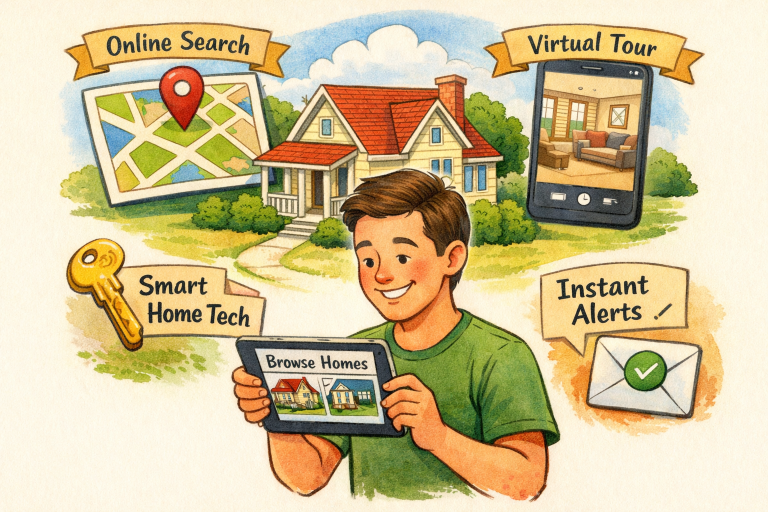
Moreover, with the widespread adoption of mobile devices, buyers can now receive instant alerts for new listings or price changes, right in their pockets. App-based communication allows questions and negotiations to happen fluidly, even while on the go. Some advanced applications also feature mortgage calculators, neighborhood analytics, and digital document signing, consolidating the entire buying journey within one platform. These mobile solutions have helped bridge traditional gaps in the housing market, connecting buyers and agents quickly and allowing for faster, better decision-making at every step.
Data-Driven Market Analysis
Access to comprehensive market data empowers buyers to make informed decisions. Advanced analytics tools can provide insights into market trends, property values, and neighborhood demographics. This information is invaluable for assessing the potential value and suitability of a property. Real estate experts like John Rowan utilize data-driven analysis to guide clients through the complexities of the Peoria market.
Modern data analysis extends beyond comparable home prices. It now includes forecasting future market trends based on economic indicators, housing supply and demand, crime rates, local business growth, and even social media sentiment about neighborhoods. Analytical dashboards can show buyers hyperlocal trends, helping them understand where value is rising or where emerging communities are gaining traction. Armed with this knowledge, buyers are better equipped to negotiate, avoid overpaying, and time their entry into the market advantageously. Real estate professionals use these insights not only for buyer counseling but also to help sellers set optimal listing prices.
Conclusion
Technology is undeniably reshaping the home-buying experience, offering tools and resources that enhance efficiency, security, and personalization. As these innovations continue to evolve, buyers can look forward to an increasingly streamlined and informed journey toward homeownership. Engaging with knowledgeable professionals who embrace these technological advancements can further enhance the buying experience.
Looking ahead, we can expect emerging trends, such as the rise of augmented reality home staging, predictive analytics for investment properties, and even end-to-end digital closings to further shift what is possible in real estate. The clients who benefit most will be those who embrace these changes, working closely with real estate advisors who lead the way in adopting evolving technology. Ultimately, technology brings more than just efficiency; it opens doors to new opportunities, making homeownership more accessible and aligned with the needs of today’s digital-savvy buyers.